About the Author

Shaiful Hady Mohamad
Managing Director, Handy Engineering

In any industrial facility, operators are the first line of defense against equipment failure. They are closest to the machines, see them every day, and often notice the earliest signs of trouble. This is the foundation of Operator-Driven Reliability (ODR)—a proactive approach that empowers operators to take ownership of equipment health and contribute directly to reliability outcomes.
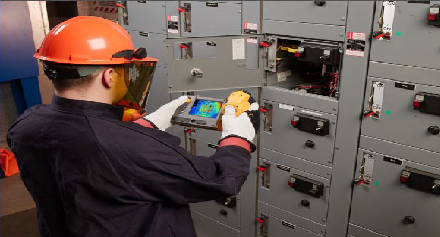
In Asset Reliability Practitioner – Engineer (ARP-E) training module by Mobius Institute, ODR is a reliability strategy where operators are trained and equipped to perform basic monitoring, inspection, and preventive maintenance tasks as part of their routine. This includes visual checks, noise or vibration observations, lubricant inspection, and simple tasks like tightening bolts or cleaning filters. By involving operators in day-to-day care of assets, organizations can identify issues earlier, reduce unplanned downtime, and strengthen the collaboration between operations and maintenance teams.
The importance of ODR lies in its ability to bridge the gap between operations and maintenance. When operators participate in equipment care, they become more engaged, develop a deeper understanding of how their actions affect reliability, and help create a culture of ownership. This leads to faster detection of abnormalities, improved communication with maintenance teams, and more informed decisions about asset performance.
Despite its benefits, implementing ODR is not without challenges. One common issue is lack of training—operators may not be confident in performing inspections or interpreting what they see. Another hurdle is cultural resistance, especially in organizations where reliability is seen solely as the maintenance department’s responsibility. Additionally, without structured processes and documentation tools, the insights operators gather can be easily lost or ignored.
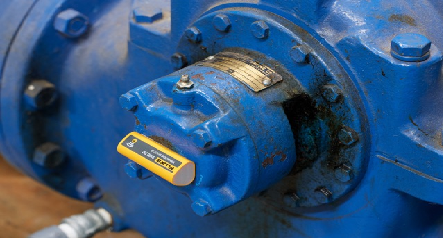
A practical example illustrates ODR in action. In a chemical plant, operators of a critical cooling water pump are trained to check for unusual sounds, oil levels, and temperature changes during their shift rounds. One day, an operator notices a slight whining noise and elevated bearing temperature. He logs it in the system and informs maintenance. A technician follows up and finds early signs of bearing degradation. The issue is resolved during planned downtime—avoiding a costly breakdown and production loss.
In conclusion, Operator-Driven Reliability turns daily operational tasks into powerful reliability practices. When implemented with the right training, support, and systems, ODR not only enhances equipment availability but also builds a sense of shared responsibility across teams. It’s a simple yet powerful step toward a more proactive and efficient maintenance culture.