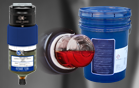


Wireless condition monitoring is rapidly evolving. Hear what teams should know about integration, asset criticality, AI, and what’s next.

Learn when alignment is truly the right corrective action in this webinar, where we’ll break down behavioral indicators, operational clues, and reliability patterns that help separate misalignment from overlapping vibration conditions, giving your team greater confidence in recommending alignment and showing how laser alignment delivers the precision needed to address the root cause.

Predictive maintenance has transformed the way facilities detect machine failures, but why do so many assets continue to fail again after repair? In this article, Terry Southall explores the critical difference between repairing a fault and truly restoring machine health through verification and precision alignment.
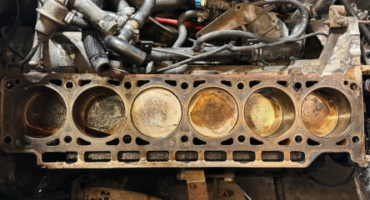
As spring turns to summer, diesel engines lose their margin for error and studies show that up to 50% of premature engine failures are still linked to cooling system issues. A proactive coolant analysis program is the key to catching problems like additive depletion and contamination before they escalate into costly failures.
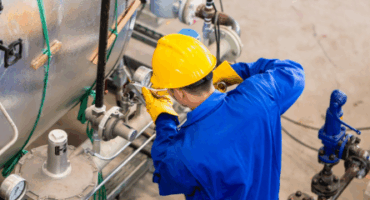
In any industrial facility, operators are the first line of defense against equipment failure. They are closest to the machines, see them every day, and often notice the earliest signs of trouble. This is the foundation of Operator-Driven Reliability (ODR)—a proactive approach that empowers operators to take ownership of equipment health and contribute directly to reliability outcomes.

In this interview, Satish Singh and Carlos Palmero from Samotics share how Electrical Signature Analysis (ESA) and the SAM4 platform are transforming motor and pump reliability. They discuss the challenges facing water utilities and how Samotics’ technology helps prevent failures, cut downtime, and reduce energy use.
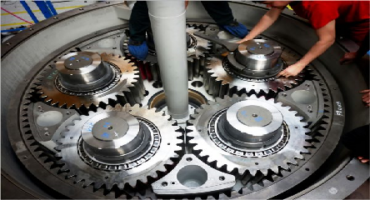
The gearbox, often considered the heart of the wind turbine, faces some of the most demanding operating conditions, making it prone to wear and failure. Join us for an insightful webinar where we delve into the critical role of oil analysis in ensuring the health and longevity of wind turbine gearboxes.
Accelerometers with lower mean time between failures (MTBF) values result in higher costs for permanently installed vibration sensor applications - as much as $60 per vibration sensor. By taking the MTBF and manufacturing quality into account when making an accelerometer purchase, you can achieve lower overall program costs.

More companies looking to gain a competitive edge are turning to permanently installed motor testing technology due to its advantages, including improved motor reliability, increased safety, and more efficient operations.