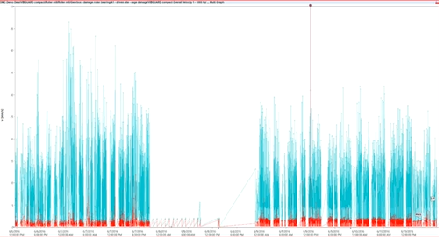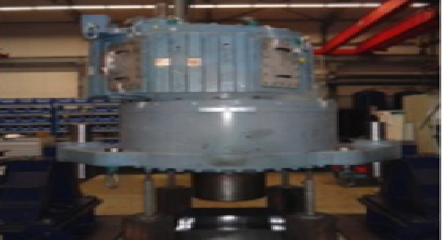


In a recent vibration analysis of a paper machine’s drying cylinder, we identified a 22238 C4 bearing on the drive side in an advanced stage of wear. In the first month of data collection, the overall acceleration level was already at 1.9 Gs, rising to 3.78 Gs the following month. Based on this data, we recommended an intervention during the next scheduled shutdown.
When the team began the replacement, it became clear that the decision was the right one: the wear was so severe that removing the bearing required significant effort, even with all available resources. Had the intervention been delayed any further, a functional failure would have been inevitable.
Key Findings During the Intervention:
🔹 Upon opening the bearing housing on the drive side, we found a significant amount of metal debris, indicating severe internal damage.
🔹 The aggressive wear suggests that something beyond normal operating conditions contributed to the deterioration.
🔹 Impact of the Right Decision:
✅ Planned shutdown: 10 hours of maintenance, with the machine quickly back in operation.
❌ Functional failure: Up to 24 hours of downtime, considering cooling time, intervention, and recovery.
Next Steps: Finding the Root Cause
We don’t want to just identify and replace bearings—we need to understand and address the root cause of such aggressive wear. What could have led to this level of deterioration? Misalignment? Lubrication issues? Overloading? Contamination? Drive system issues? Something else?
Now, we want to hear from you: Have you seen this wear pattern in bearings before? What could be the root cause? Share your insights in the comments!
Felipe ShishitoVibration analyst l Reliability technician, Abecom
Felipe Shishito is a 28-year-old predictive analyst with nearly a decade of experience in vibration analysis. Starting at age 19, he developed a strong interest in anticipating failures in rotating equipment to improve operational reliability. With a background in mathematics and three years of engineering studies, he specializes in turning complex vibration data into precise diagnostics and actionable insights. His experience spans multiple industries, including pulp and paper, automotive, steel, food, and energy. Known for driving efficiency and reducing downtime, Felipe focuses on data-driven strategies that deliver measurable improvements in performance and reliability.
By using this site you agree to our use of cookies. You are free to manage this via your browser setting at any time. To learn more about how we use the cookies please see our cookies policy.