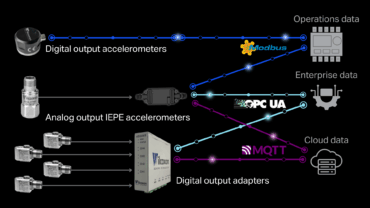
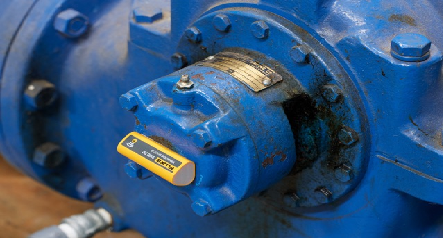
As industrial monitoring shifts toward digital data, engineers are evaluating how best to integrate vibration data into control and analysis systems. Two leading approaches—digital accelerometers and rugged industrial IEPE accelerometers paired with digital adapters—offer distinct trade-offs in performance, reliability, and environmental suitability. Understanding these differences ensures you select the most reliable and suitable solution for your application.
Digital Accelerometers vs. Rugged Industrial Sensors + Digital Adapters
Feature / Parameter
Digital Accelerometers
Rugged Industrial Accelerometers + Digital Adapter
Sensor Type
Typically MEMS-based; some integrated piezoelectric variants
Piezoelectric (IEPE) accelerometer connected to an adapter
Signal Conversion
Analog-to-digital conversion inside the sensor housing
Conversion performed externally by the adapter
Protocol Output
Native digital output in Modbus, IO-Link, or proprietary
Adapter provides digital output in Modbus, IO-Link, OPC UA, MQTT, etc.
High Frequency Response
Generally limited to < 5 kHz (±3 dB) bandwidth
Up to 10–20 kHz (±3 dB) supports high-speed and gear-mesh analysis
Noise Floor
Higher noise, particularly below ~10 Hz
Lower noise floor (0.5 – 2 Hz; ideal for slow-speed bearings, shafts, and large rotating assets
Temperature Range
Commonly rated –40 °C to +80 °C (some variants up to +105 °C)
Standard models –50 °C to +120 °C; high-temp options to +165 °C and beyond
Environmental Robustness
Moderate; plastic or light aluminum housings; limited corrosion and ingress protection, IP65–IP67 typical
High; stainless-steel housings; hermetic sealing; EMI- and shock-resistant; submersible and wash-down capable, IP68 + IP69K; chemical and corrosion resistant; adapters can be mounted away from harsh zones
Hazardous Area Certifications
Rare; internal electronics complicate IS / Ex approvals
Broad availability of Intrinsically Safe (Atex Zone 0/1), Explosion Proof, and Class I Div 2 (Zone 2) options
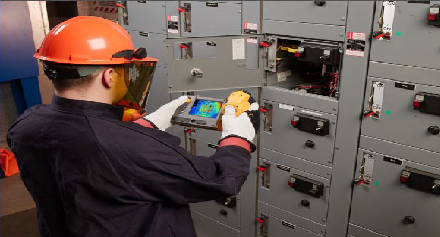
Mild-to-moderate environments, general machine health, balance-of-plant assets
Harsh, high-temp, or hazardous environments
Cost Profile
Lower cost per triaxial point; limited by environment
Higher initial hardware cost, unless retrofitting an installed sensor base
How to Choose Between Digital Sensors and Digital Adapters
Selecting between a digital accelerometer and a rugged analog sensor plus digital adapter comes down to four key factors: environment, frequency range, existing infrastructure, and data requirements.
Environment
Use digital accelerometers in clean, dry, and moderate-temperature environments.
Choose piezoelectric sensors with adapters where heat, moisture, oil, shocks, or wash-down are present.
Frequency and Noise Requirements
For general purpose monitoring, digital sensors offer adequate frequency response and noise performance.
Piezoelectric sensors coupled with an adapter retain high signal-to-noise ratios and capture the full dynamic range, higher frequency range for earlier fault detection, critical for machinery fault diagnostics.
System Integration and Retrofits
In new installations, a native digital sensor can simplify cabling and lower cost per channel.
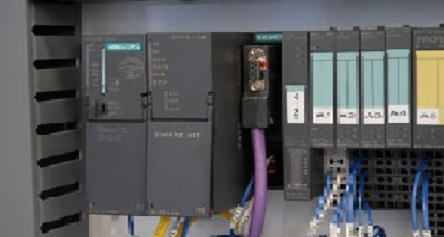
If your facility already has a fleet of analog sensors, a digital adapter enables direct integration with modern PLC, DCS, or IIoT platforms without replacing sensors.
Existing Data Infrastructure and Protocols
Digital sensors typically output operations level protocols.
Adapters support operations, enterprise, and cloud level protocols.
Bottom Line
Digital accelerometers provide an economical path to digital vibration data, especially for triaxial measurements, mild environments, and local trending and alarming. Rugged piezoelectric sensors paired with digital adapters withstand extreme conditions and maintain superior dynamic range and noise performance, ensuring accurate, high-resolution data even in high-temperature or hazardous locations.
Tom LaRocqueDirector of Product Management, Wilcoxon
Tom LaRocque is a Director Product and Project Management at Wilcoxon Sensing Technologies in Frederick, Maryland. He has worked on the design and development of vibration sensors and accessories for the industrial vibration market for over 20 years, focusing primarily on engineering and business development. Since joining Wilcoxon in 2015, he has concentrated on the development of products and technologies, driving new product designs and introduction, and supporting marketing and business development.
By using this site you agree to our use of cookies. You are free to manage this via your browser setting at any time. To learn more about how we use the cookies please see our cookies policy.