



Effective asset management starts with clear identification—and that's where equipment tag numbering comes into play. In industrial settings, especially where reliability and maintenance data are critical, standardized equipment tagging isn’t just helpful—it’s essential.
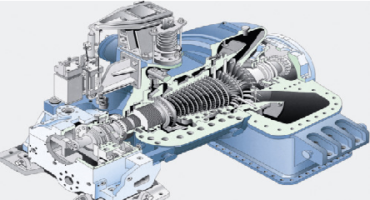
The paper identifies the approach for electrical and mechanical conditions through direct and belt coupled applications and how driven equipment, and loads are evaluated through those coupling types. We will focus on two types of technologies including a 3-phase voltage and current ESA and a single-phase CSA system. The focus will be on CSA but will distinguish what the addition of voltage as part of the measurement will provide.

Unlimited human and equipment resources do not exist in industry. So how do plant and maintenance managers decide on the human and equipment resources? With today’s reliability technology offering advanced data analysis capability in both portable and permanently installed configurations what is a good balance between using portable and permanently installed equipment? This webinar will discuss considerations in making these decisions including resource availability, asset criticality, and where to get the best ROI from portable vs permanently installed technology.
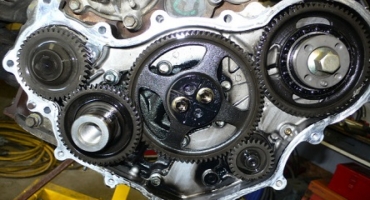
Today, we're talking with subject matter expert, Noah Bethel from PdMA about machine train analysis. What is machine train analysis anyway and why is it helpful? Noah breaks down the definition and its intended use with electrical equipment specifically for motors...
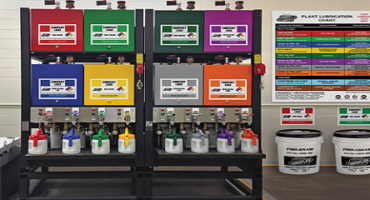
Paul Dufresne explains why it’s essential to implement a color chart system, also incorporating shapes for people who are colorblind…
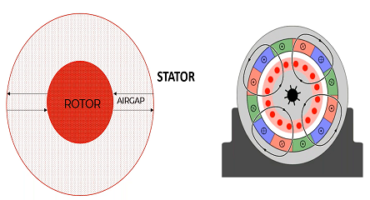
Expand your Model-Based Voltage and Current Signature Analysis on Belt Drive Systems with product demonstrations and case studies.

Sampling is the first step in Oil Analysis and Bernie Hall will give tips on Sampling Diesel Mobile Equipment on and off highway.
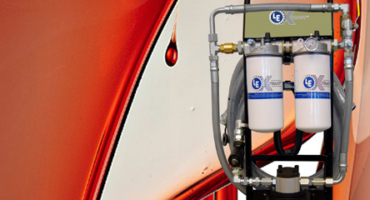
Filtering new and used oil prolongs oil life and protects equipment from wear.
Studies have shown that as much as 70% of all premature machine failures can be attributed to contamination. To prevent these failures, it is important to purify the new oil as it comes into the facility and then keep it clean throughout its life. By establishing an ISO code cleanliness goal and maintaining it, you will extend the life of the oil and the equipment.
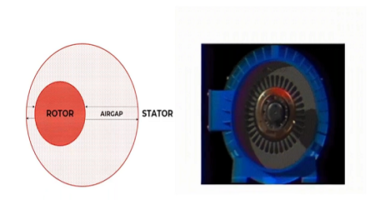
In this webinar, we will talk about the crucial parameters of Model-Based Voltage and Current Analysis Technology.