



Explore how Hybrid-AI is advancing predictive maintenance for industrial equipment in this upcoming webinar, where we’ll examine how physics-based failure-mode models and data-driven AI can be combined into an explainable hybrid approach, helping your team detect more failure modes earlier, prioritize evidence-backed diagnoses, and move from alerts to confident, prescriptive action.

Join Peter Eitnier from Wilcoxon Sensing Technologies as they discuss cost-effective ways to improve processes and reduce downtime. The best part? You don't have to be a vibration expert to do it...

Matthew Moore and Dr. David Siegel discuss how humans and AI measure up in the area of vibration diagnostics. Who will win?…

Whether you are an experienced vibration analyst or a novice, approaching machines that are new to you can present challenges. This presentation describes a sequential method that may be helpful in getting started in this process. Sometimes it’s nice to have defined steps to follow in order to get the data you need about the machine and it’s operation. By doing so, you will have a better chance of getting useful data that can lead to quicker and more refined diagnostics in the future.
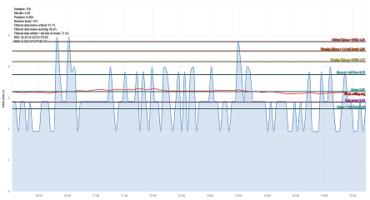
If you’re a technician and it’s your job to take these readings with a hand-held data collector, this trend can be described with one word - boring. While there is always value in taking a reading on a rotating asset and using your 5 senses to look for issues that might not be picked up with vibration, this only extends so far for machines that rarely have issues..

This case study is done in association with a global rail company where VibCloud is utilised for ongoing locomotive monitoring for many years now. Case study demonstrates how to analyse vibration in order to determine bearing condition.
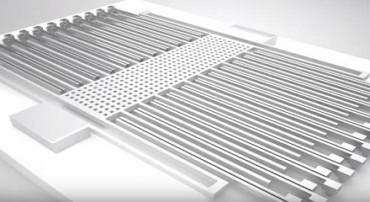
A small number of semiconductor manufacturers have overcome the noise, bandwidth and g-Range shortcomings commonly associated with MEMS sensors used in Condition-based Monitoring (CbM) by producing several medium and high-performance MEMS vibration sensors with the latter being comparable to piezo accelerometers.
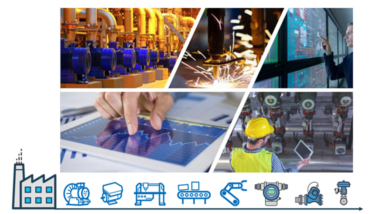
Condition monitoring applications continue to grow in importance, as equipment manufacturers look to increase asset utilization with real-time monitoring of equipment, extend equipment lifespans, and increase throughput by utilizing predictive maintenance techniques to reduce maintenance costs and asset downtime..
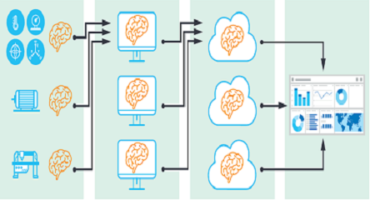
Industry 4.0 applications generate a huge volume of complex data—big data. This naturally increases the potential for generating added value along the entire value chain. Only with relevant, high quality, and useful data—smart data—can the associated economic potential be unfolded...