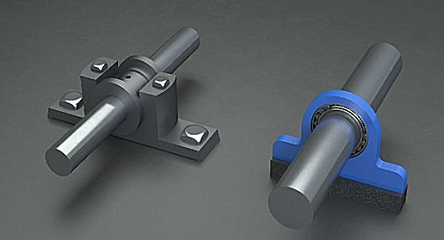
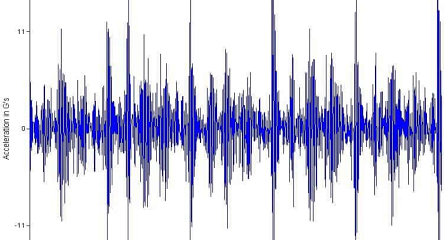
The Problem: Repair ≠ Restoration
There’s a critical difference between repairing a machine and restoring it. A repair replaces the damaged component and returns the machine to service. A restoration eliminates the underlying conditions that caused the damage in the first place.
When you replace a bearing without verifying alignment, that new bearing goes right back into the same stress environment that destroyed the last one. Misalignment creates continuous bending forces during every rotation, and those forces begin degrading components immediately, even before any symptom appears.
Research shows that even small misalignment can reduce bearing life by up to 50%. Your condition monitoring program detected the fault perfectly. But detection without verification is only half the job.
The Missing Step: Post-Repair Verification
Between repair and restart, there needs to be a step most maintenance workflows skip entirely: verification.
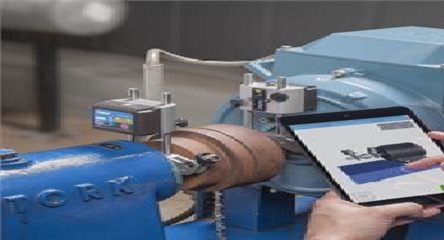
Precision laser shaft alignment isn’t just a corrective task — it’s a confirmation that mechanical stress has been eliminated. It shifts alignment from a subjective task into a controlled, repeatable, data-driven process. When you verify:
✓ Baselines become reliable, not just reduced, but stable and repeatable
✓ Analyst confidence improves because the data reflects true machine health
✓ Recurring failure patterns begin to decline
✓ Condition monitoring transforms from detection-focused to prevention-driven
Want to dive deeper? Join Terry Southall in his upcoming live webinar. Terry will walk through how to build verification into your maintenance workflow, demonstrate alignment verification techniques, and show you exactly how to break the repeat-failure cycle in your facility.
May 12, 2026 | 11 AM ET / 8 AM PT
You Found the Fault… Now Prove It Won’t Come Back