

Five Minute Facts
Roughing In
The roughing-in process as it relates to alignment is very important. The most common method is the straight-edge method. Is there a more effective way?
- Stan Riddle
- Acoem USA
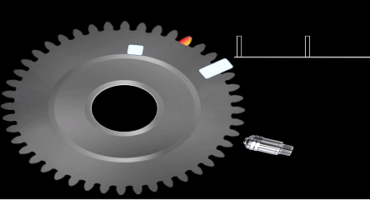
Time Synchronous Averaging Explained
Standard averaging is not the best method for synchronous faults in the case of gear conditions. Adjusting the number of averages per sample affects …
- Derek Harrod
- Fluke Reliability
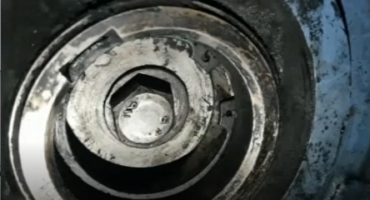
Treating Looseness
Looseness is not a force, but rather a reaction to a force. To treat looseness, one needs to understand what type of looseness we are experiencing...
- Dennis Swanepoel
- WearCheck
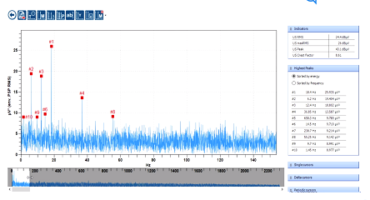
The Ultrasound Approach: VFD Drives and Condition Indicators
VFDs seem to be taking over the world; however, you may hear ultrasound inspectors complain they are having trouble interpreting data. Is there a simple assessment? Find out more in this short video…
- Allan Rienstra
- SDT International
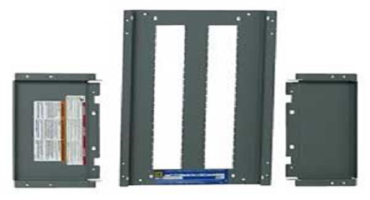
Electrical Reliability: Remove Those Panel Covers!
A common mistake made by a number of thermography programs is skipping infrared inspections of panelboards (power and lighting panels) or failing to properly access the equipment by removing…
- Jim Fritz
- The Snell Group
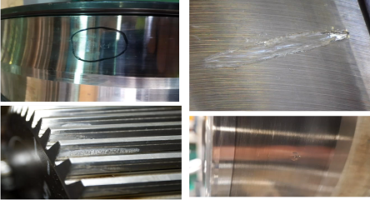
Performance vs Risk
This five minute fact discusses why it is important to have a good quality measuring system for condition monitoring of mechanical components…
- Johan Arvidsson
- SPM Instrument AB

Lubricant Viscosity Explained
Simply stated, viscosity is defined as the internal resistance of a fluid to…
- John Sander
- Lubrication Engineers
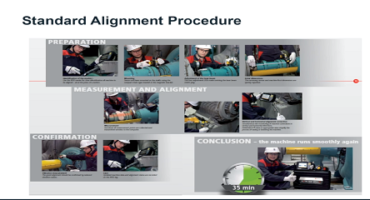
Standard Alignment Procedure Using Laser Shaft Alignment
The Standard Alignment Procedure consists of 3 steps: preparation, measurement and alignment and…
- Aimi Tarmizi
- PRUFTECHNIK

Managing Water in Diesel Fuel
Unfortunately, fuel suppliers cannot always prevent water from getting into their diesel fuel…
- John Sander
- Lubrication Engineers