About the Author

Shaiful Hady Mohamad
Managing Director, Handy Engineering

In industrial and engineering environments, the ability to foresee and prevent failure is a key element of effective asset management. One of the most practical and widely adopted methodologies for this purpose is Failure Mode and Effect Analysis (FMEA), as described in IEC 60812. This technique provides a structured approach to identifying potential failure modes in a system, assessing their impact, and determining appropriate preventive measures. When used properly, FMEA becomes a cornerstone of any reliability, safety, or quality improvement program.
FMEA is defined as a systematic process that examines how a component, system, or process could fail, what the effects of that failure would be, and how likely and detectable each failure mode is. By assigning scores for Severity, Occurrence, and Detection, teams can calculate a Risk Priority Number (RPN), which helps prioritize risks that require urgent attention. This allows organizations to focus their resources on the most critical threats to performance and safety.
The need for FMEA stems from the growing complexity of modern systems and the high cost of unexpected failures. By using FMEA early in the design, operation, or maintenance planning stages, organizations can take corrective actions before problems arise. This not only enhances equipment reliability and reduces downtime but also supports compliance with industry standards. In addition, FMEA encourages cross-functional collaboration between engineering, maintenance, and operations teams, which improves overall communication and decision-making.
Despite its many benefits, implementing FMEA effectively can be challenging. One common issue is the lack of detailed or accurate data, which can affect the reliability of risk scoring. Teams may also struggle with subjective assessments, where individuals interpret severity or likelihood differently, leading to inconsistent outcomes. In some cases, the process can become overly complex, especially if teams attempt to analyze every possible failure mode without clear prioritization. Another pitfall is treating FMEA as a one-time exercise, rather than updating it regularly as systems evolve or new data becomes available.
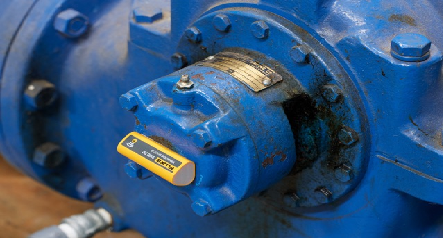
To show the value of FMEA, consider a centrifugal pump used in a cooling water application. A reliability team identifies a potential failure mode: seal leakage. The effect of this failure could include fluid loss, equipment damage, and environmental hazards. The severity is rated high due to these consequences. Based on historical maintenance data, the occurrence is assessed as moderate, while detection is rated low because leaks are often only found during inspections. The resulting RPN suggests a relatively high risk, prompting the team to implement preventive actions such as more frequent visual inspections and the installation of leak detection sensors. These proactive steps can significantly reduce the likelihood and impact of failure.
In conclusion, FMEA is a vital tool for any organization that values reliability and operational excellence. While it requires effort to apply correctly, the insights it generates allow teams to act pre-emptively, reduce risk, and optimize performance. The key to success lies in using FMEA consistently, collaboratively, and as a dynamic part of a larger reliability strategy.